PT

Velour · Home & Lifestyle
What happens after the video that works
Every brand wants the video that breaks the account open. Very few are built to survive it. Velour got theirs in week six, sold out in seventy-two hours, and then had to learn the harder lesson.
The engagement
- Category
- Home & lifestyle
- Starting point
- Shop live, low volume
- Engagement
- Growth, then Scale retainer
- Timeframe
- Six months
- Markets
- United Kingdom, European Union
Services used
Headline numbers
- 9.4M
- Views on the outlier video
- 3 days
- Time to full sell-out
- £92k
- Revenue, month one
- 11 days
- Stock held on the second outlier
- 5x
- Revenue vs. prior monthly average
- 2
- New EU markets opened
The challenge
The challenge
Velour's account was producing steady but unremarkable numbers. The creative was competent and safe, which in this channel is the same as invisible.
The deeper problem only became apparent later: the business had no mechanism for converting a spike into anything durable. Stock was ordered on a twelve-week lead time against a forecast that assumed the previous month repeated.

Our approach
What we did
We introduced a deliberately riskier testing lane — four assets a month with no obligation to look like the brand's existing content, judged purely on three-second retention. The sixth of these was the one that went.
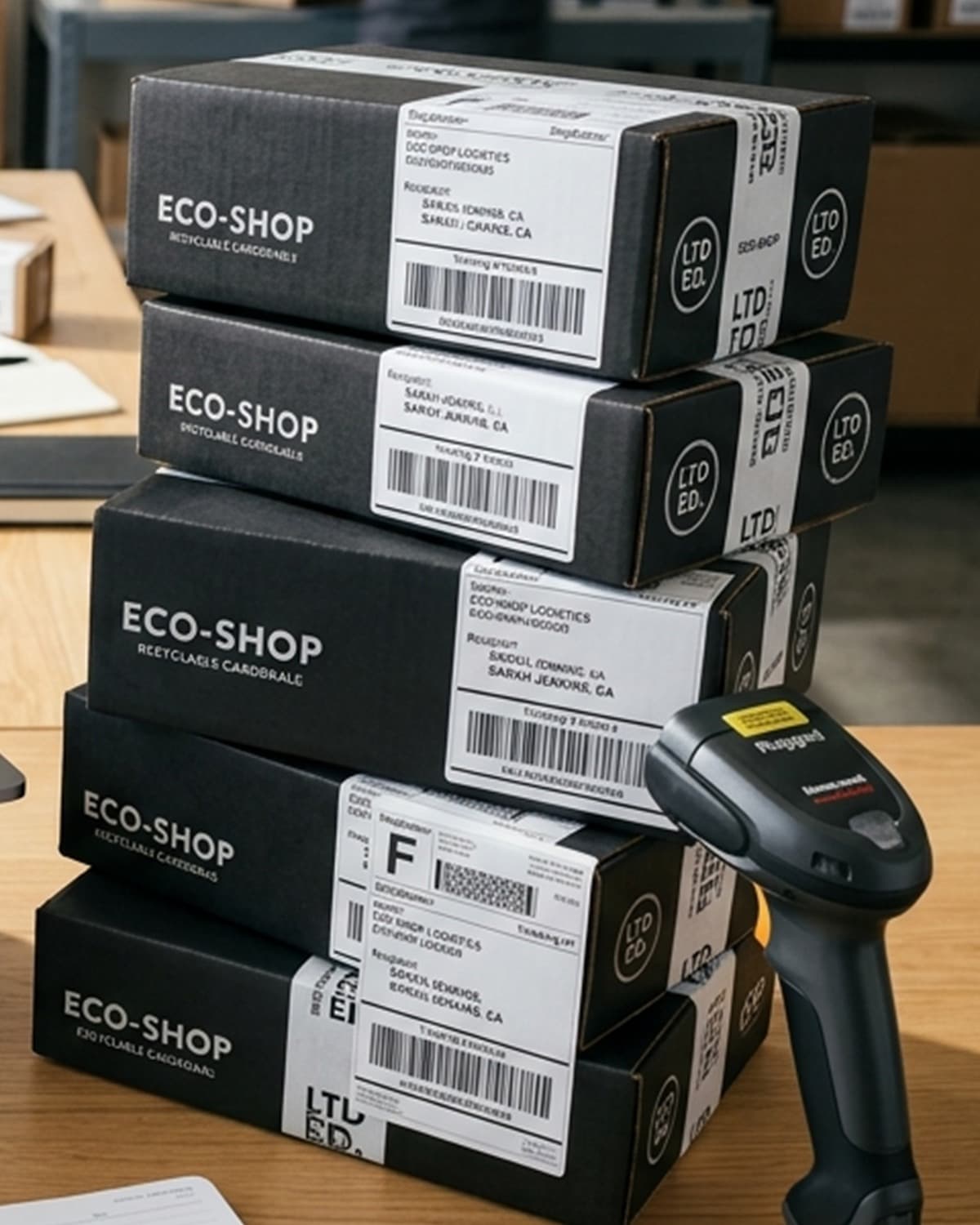
9.4 million views in four days emptied the warehouse in three. The immediate work was damage control: pausing paid before it spent into an out-of-stock listing, switching the creative call-to-action to a waitlist, and keeping the comment section answered so the momentum was not read as neglect.
The durable work came after. We built a stock-signal process with the operations team — creative volume forecast shared weekly, a reserve buffer on any SKU entering a testing lane, and an agreed trigger for expediting a reorder mid-cycle.
In month four the same testing lane produced another outlier. That time the brand held stock for eleven days and captured the full curve.


The result
The result
£92,000 in revenue in the first month after the video, against a previous monthly average roughly a fifth of that.
The second outlier, in month four, produced comparable reach and materially more revenue precisely because nothing sold out. That gap is the entire case for treating virality as an operations problem.
Velour moved onto a Scale retainer and opened EU shops in month five.
“The first viral video cost us more than it made, once you count the stockout. The second one paid for the year. The difference was entirely preparation.”
Figures and quotation are illustrative placeholders pending client sign-off.
More work
Other accounts, other problems.
Your brief
Got a home & lifestyle brand?
We have run this playbook in home & lifestyle and know where it breaks. Send us your catalogue and we will tell you which parts apply to you.