PT
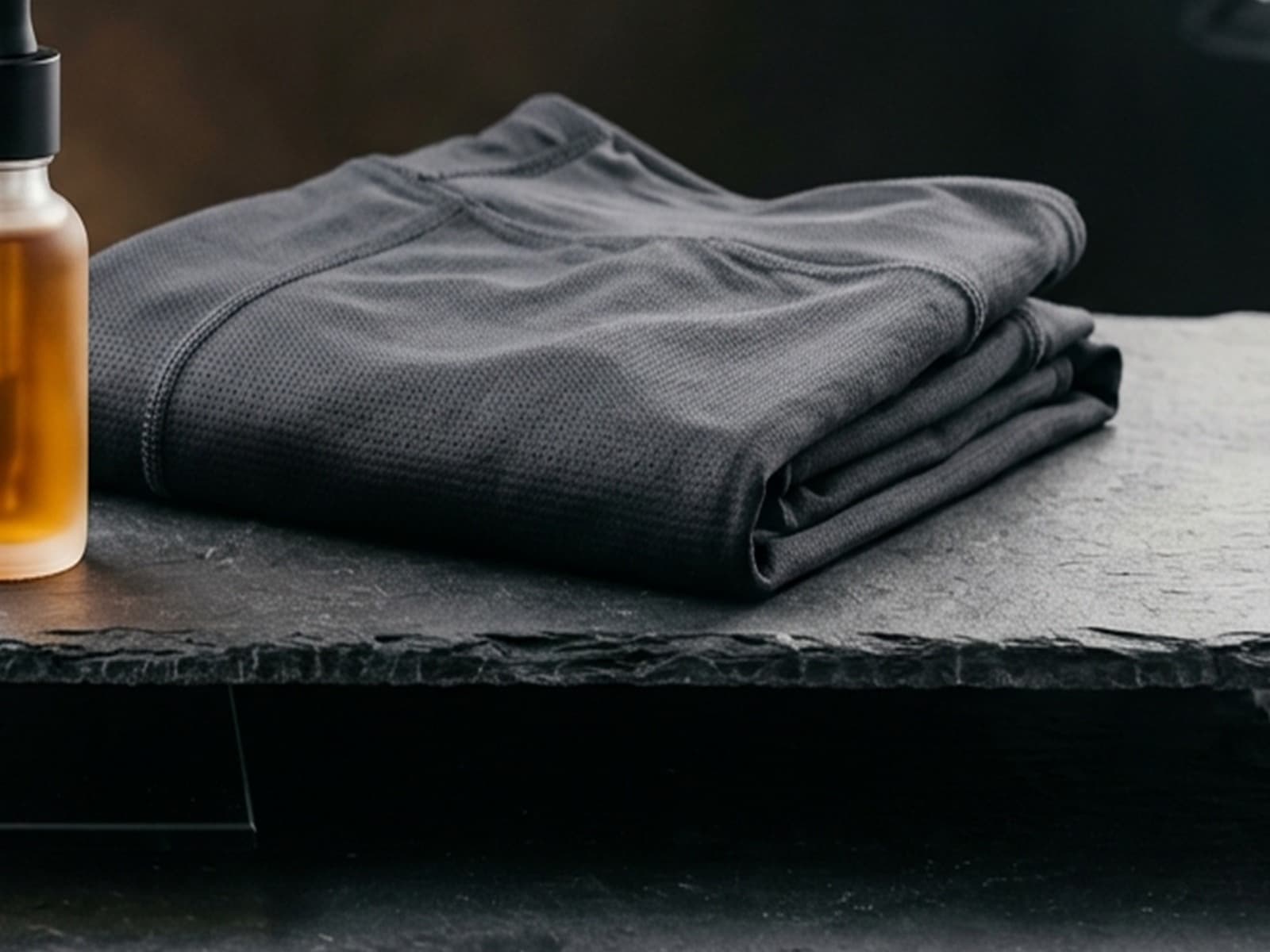
Repp Athletic · Activewear
Fewer products, considerably more revenue
Repp Athletic came to us with a live TikTok Shop that had been running for seven months and had never produced a month worth reporting. The catalogue was not the symptom — it was the cause.
The engagement
- Category
- Activewear & apparel
- Starting point
- Live shop, flat for 7 months
- Engagement
- Growth retainer
- Timeframe
- Five months
- Markets
- United Kingdom, Ireland
Services used
Headline numbers
- +412%
- Monthly GMV growth
- £11
- Blended cost per acquisition
- 18
- SKUs in the working range
- 3.4x
- Agreed blended ROAS floor
- 5 mths
- Time to the result
- -31%
- Return rate on sized items
The challenge
The challenge
Three hundred SKUs had been synced wholesale from the brand's Shopify store. Every colourway of every garment existed as a separate listing, which split review counts, split sales velocity and gave the platform no concentrated signal to rank.
Creative had the same problem in a different form: flat-lay product shots recycled from the website, in a category where the entire purchase decision is about how something fits a body in motion.
Our approach
What we did
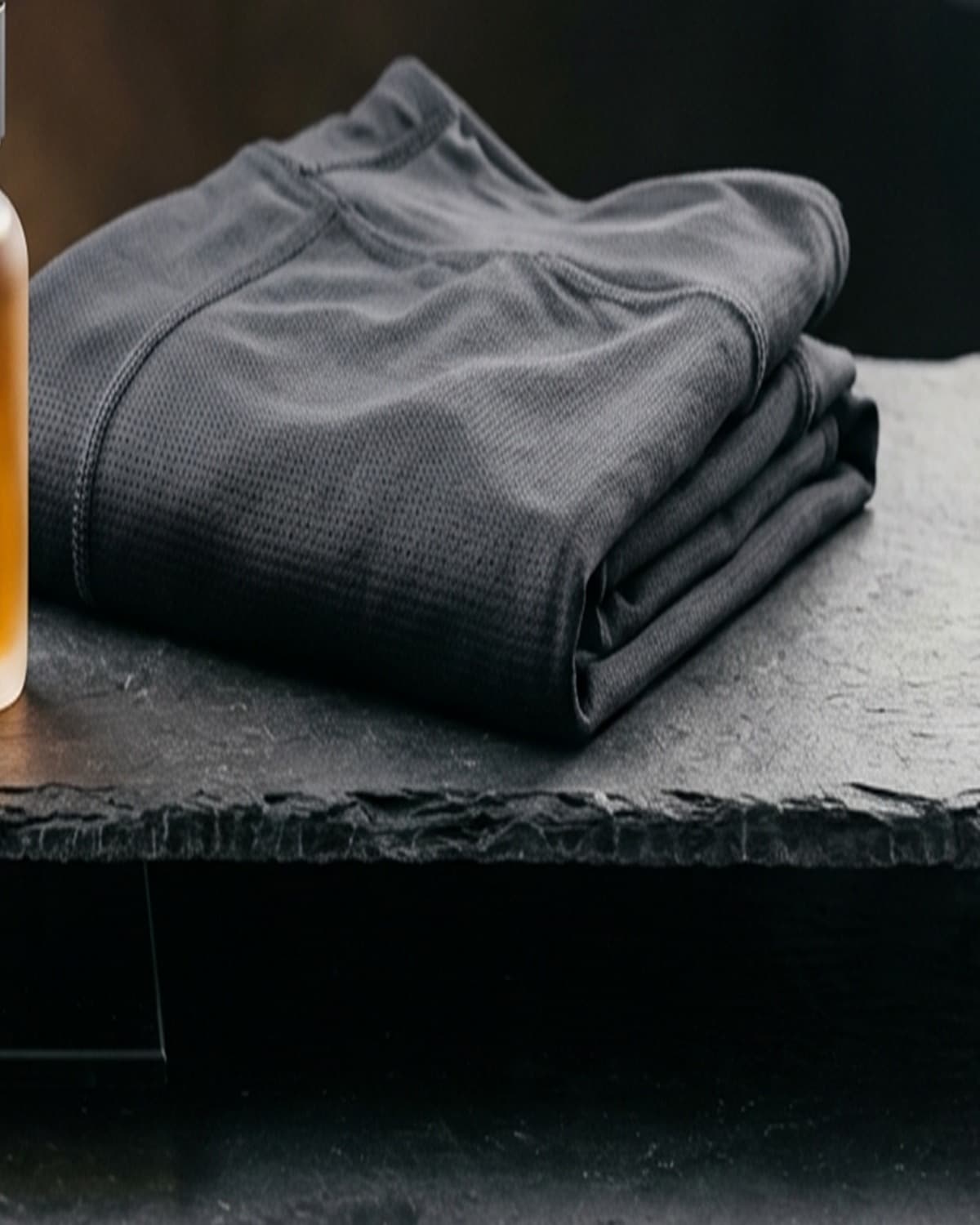
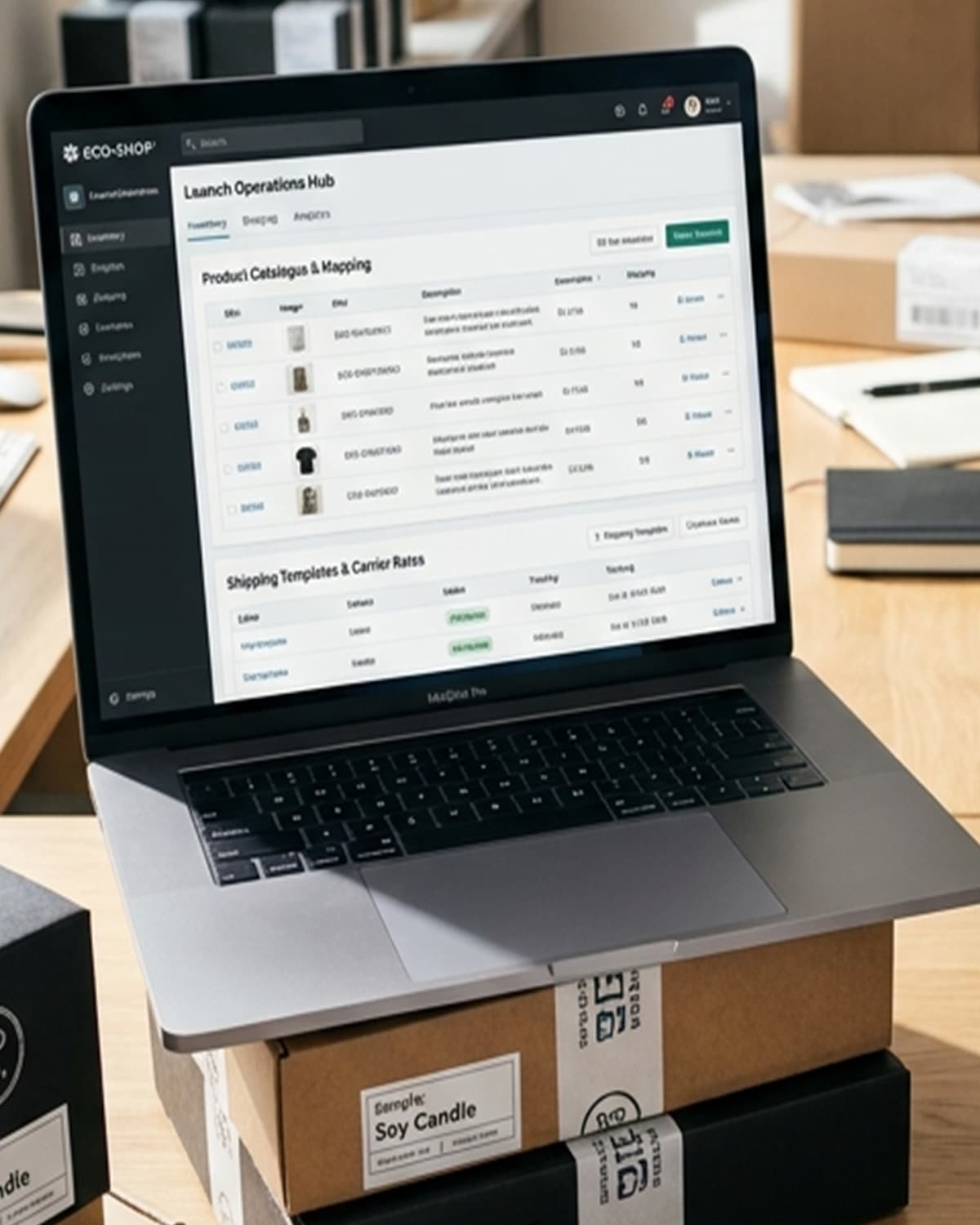
The first month was subtraction. We ranked the catalogue by contribution margin and existing sell-through, consolidated colourways into proper variants, and took eighteen products live as the working range. The rest were archived, not deleted — several returned later once the account had authority.
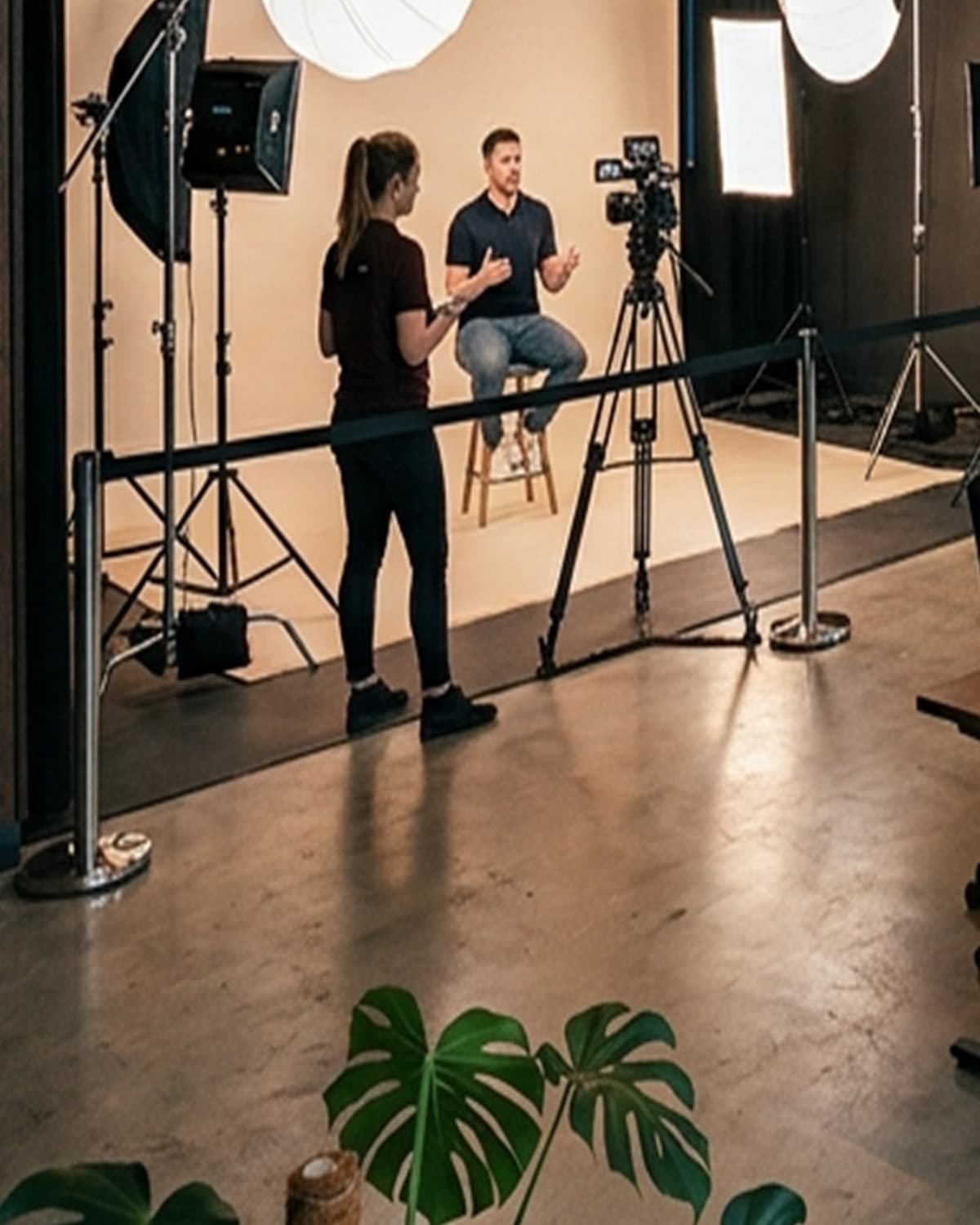
Creative was rebuilt entirely around movement: fit demonstrations across three body types per garment, side-by-side sizing comparisons, and a recurring 'what size should I actually order' format that pre-empted the single most common objection in apparel.
On paid, we separated prospecting from retargeting properly for the first time and set a blended ROAS floor of 3.4x, below which spend came down automatically. GMV Max took over scaling once four assets had cleared testing.
The result
The result
Monthly GMV rose 412% over five months against a catalogue 94% smaller than the one we started with.
Blended cost per acquisition settled at £11 — comfortably inside the brand's margin on the consolidated range, and roughly half what the unfocused catalogue had been producing.
Return rates dropped as a secondary effect. The sizing content was doing quiet work that nobody had budgeted for.
“Archiving 282 listings was the hardest conversation we had all year. It was also the month the account finally started working.”
Figures and quotation are illustrative placeholders pending client sign-off.
More work
Other accounts, other problems.
Your brief
Got a activewear brand?
We have run this playbook in activewear and know where it breaks. Send us your catalogue and we will tell you which parts apply to you.