PT
Service 02
From no shop to a selling shop
TikTok Shop onboarding is a paperwork problem wearing a marketing problem's clothes. Verification, category permissions, shipping templates, returns logic, tax settings — all of it gates your first sale. We do that work so your team does not lose a quarter to it.
- Documents to first listing
- 2–3 wks
- SKUs listed on the Launch package
- 40+
- Affiliate programme live
- Day 1
The problem
Where self-serve launches go wrong
The most common outcome we inherit is a shop that technically exists and practically cannot sell: verification stuck in review, half the catalogue rejected on image or claim grounds, shipping templates quoting the wrong rate, and no affiliate programme at all.
The second most common is worse — a shop that sells but cannot be measured. No product analytics mapping, no attribution back to creative, no way to tell which of your forty videos actually earned the revenue. Six weeks in, you have GMV and no idea how to repeat it.
We treat launch as an operations build, not an admin task. Every setting is chosen with the reporting you will want in month three already in mind.
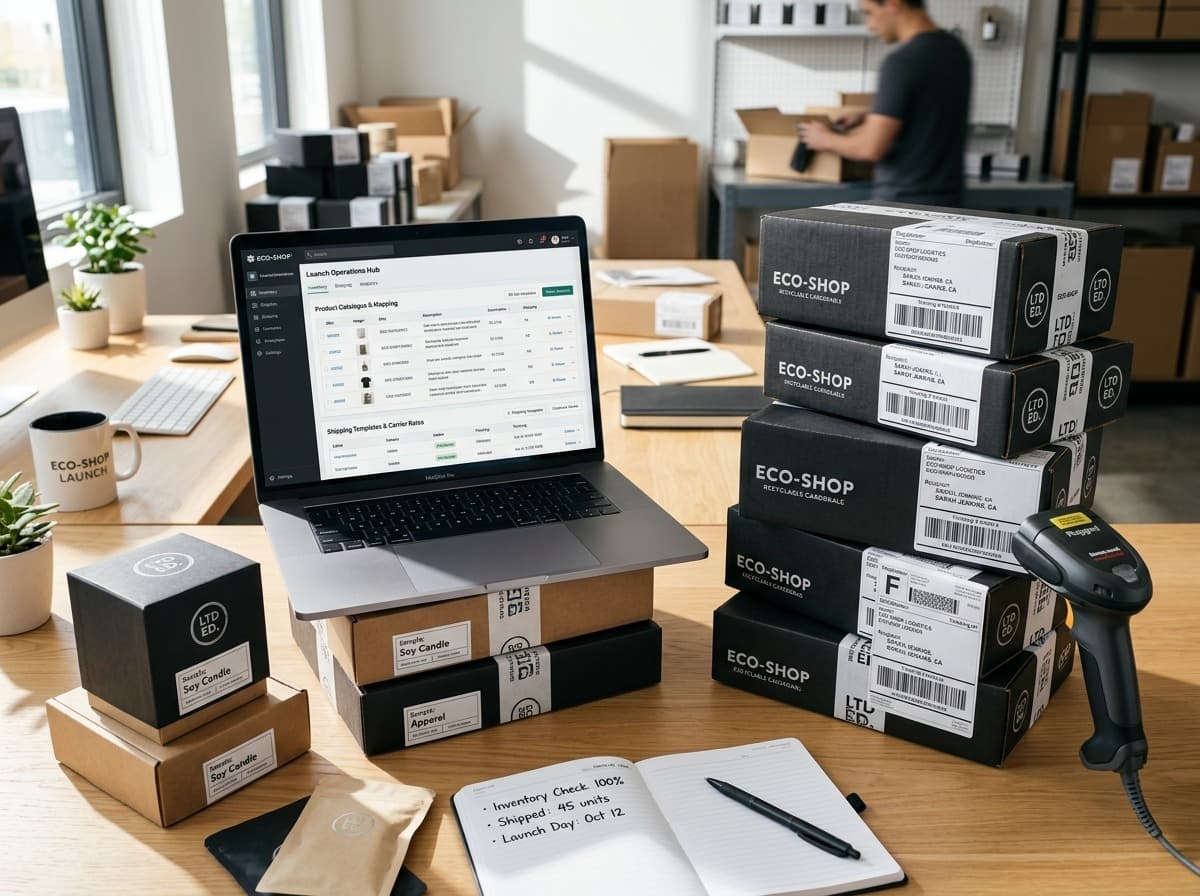
What is included
- Shop registration & verification
- Catalogue and variant setup
- Fulfilment & returns config
- Compliance review
How it works
The launch build, step by step
Typically two to three weeks from documents received to first live listing, depending on how quickly verification clears at TikTok's end.
- 01
Seller verification and permissions
Company documents, bank verification, category applications and any restricted-category permissions submitted correctly the first time, with us chasing the review queue rather than you.
- 02
Catalogue architecture
SKU rationalisation first — we recommend which products to launch with, and which to hold — then variants, imagery specs, stock mapping and listing build against the branding work.
- 03
Fulfilment, shipping and returns
Shipping templates and delivery promises that match your real third-party logistics performance, returns policy configured to TikTok's requirements, and a cut-off calendar your warehouse actually agrees to.
- 04
Compliance and claim review
A pass across listings, imagery and product claims against TikTok's category rules and UK advertising standards — before rejection costs you launch week.
- 05
Affiliate programme and tracking
Commission tiers, sample logistics, an open-plan and targeted-plan structure, and analytics wired so revenue can be traced back to the video that produced it.
The benefits
What a properly built launch buys you
The value of this service is almost entirely in what does not happen later.
Weeks, not quarters
We have run this sequence enough times to know which submissions get rejected and why. Most self-serve launches lose their first month to avoidable resubmissions.
Measurable from day one
Attribution and product analytics are configured before the first sale, so your first month of data is usable rather than retrospective guesswork.
No compliance surprises
Listings reviewed against category rules up front, which avoids the takedowns that tend to arrive exactly when a video starts working.
An affiliate engine on day one
The programme is live at launch, so creator-driven volume starts compounding immediately instead of being bolted on in month three.
Proof
Where this work has already paid.
Engagements where tiktok shop launch was a core part of the result.

Client feedback
On this service, in their words.
“Primetok cut our launch range from eleven products to one. It felt reckless at the time and turned out to be the whole answer.”
£180k GMV in 90 days
Glowhaus
Founder · Beauty & Skincare
“Archiving 282 listings was the hardest conversation we had all year. It was also the month the account started working.”
+412% monthly GMV
Repp Athletic
Head of E-commerce · Activewear
“Our compliance team signed off the listings in one pass. That has never happened with an agency before.”
Zero listing rejections at launch
Lumen Skin
Brand Manager · Beauty & Skincare
Questions
TikTok Shop Launch, answered.
What brands ask before handing us a shop build: required documents, migrating an existing shop, fulfilment, and what happens when verification is rejected.
Company registration details, a business bank account, product data (specifications, images, barcodes, pricing) and a nominated contact for verification. Product samples follow for the creative team, but they do not block the shop build.
Works well with
What we usually run alongside this.
A well-built shop is a starting line, not a result. These two decide what happens after it.

Next step
Hand us the paperwork
Tell us where you are — nothing set up, half-built, or live but underperforming — and we will send back a specific launch plan with dates.