PT
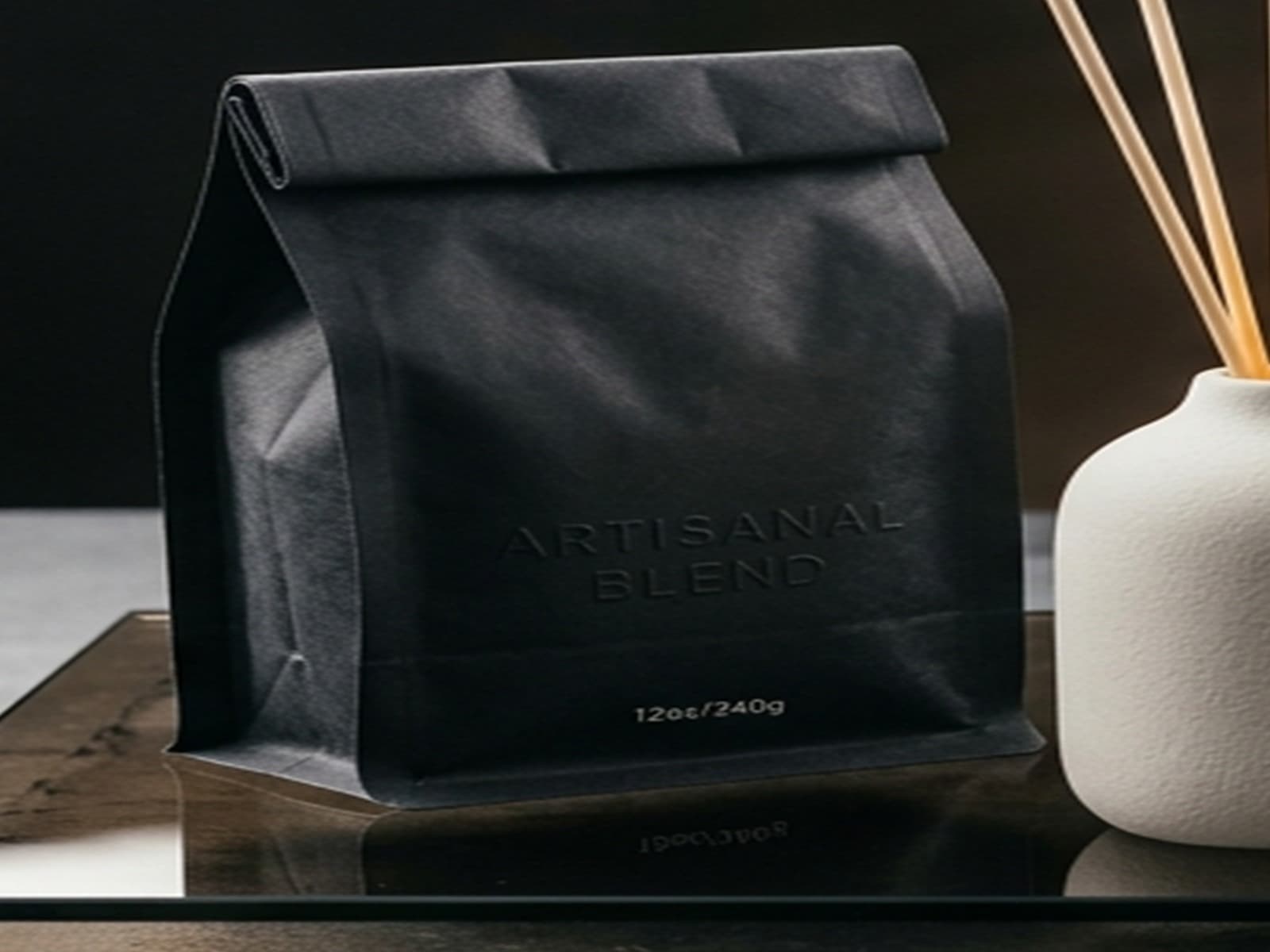
Terra Brew · Food & Beverage
Turning four hours a week into a sales channel
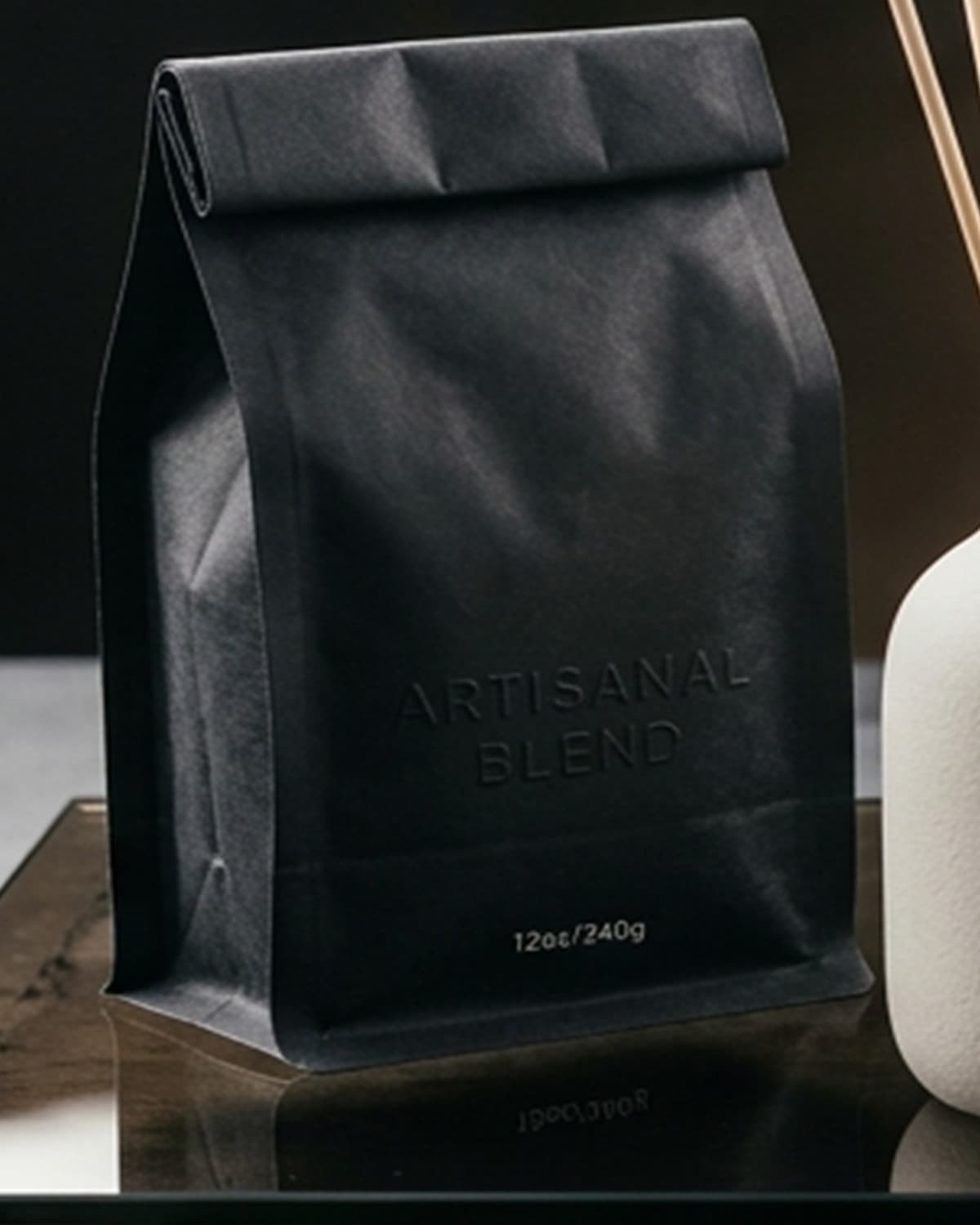
Terra Brew sells subscription coffee — a product with a genuinely good story and a genuinely difficult first purchase. Live shopping solved the second problem by giving the first one somewhere to be told.
The engagement
- Category
- Food & beverage, subscription
- Starting point
- Shop live, no Live programme
- Engagement
- Growth retainer with Live support
- Timeframe
- Four months
- Markets
- United Kingdom
Services used
Headline numbers
- £46k
- GMV from Live sessions
- 18%
- Conversion on 60s+ viewers
- 4 / wk
- Produced Live sessions
- 3x
- Average concurrent viewers vs. in-house
- 33%
- Of short-form calendar cut from Live
- 4 mths
- Programme duration to date
The challenge
The challenge
Short-form video sold single bags well enough, but the subscription — the product the entire business model depends on — barely moved. A thirty-second video has no room to explain roast profiles, grind options and a delivery cadence, and every attempt to compress it killed the hook.
The brand had tried Live twice in-house. Both attempts ran for forty minutes to an audience in single digits, and the conclusion drawn was that Live did not work for coffee.
Our approach
What we did
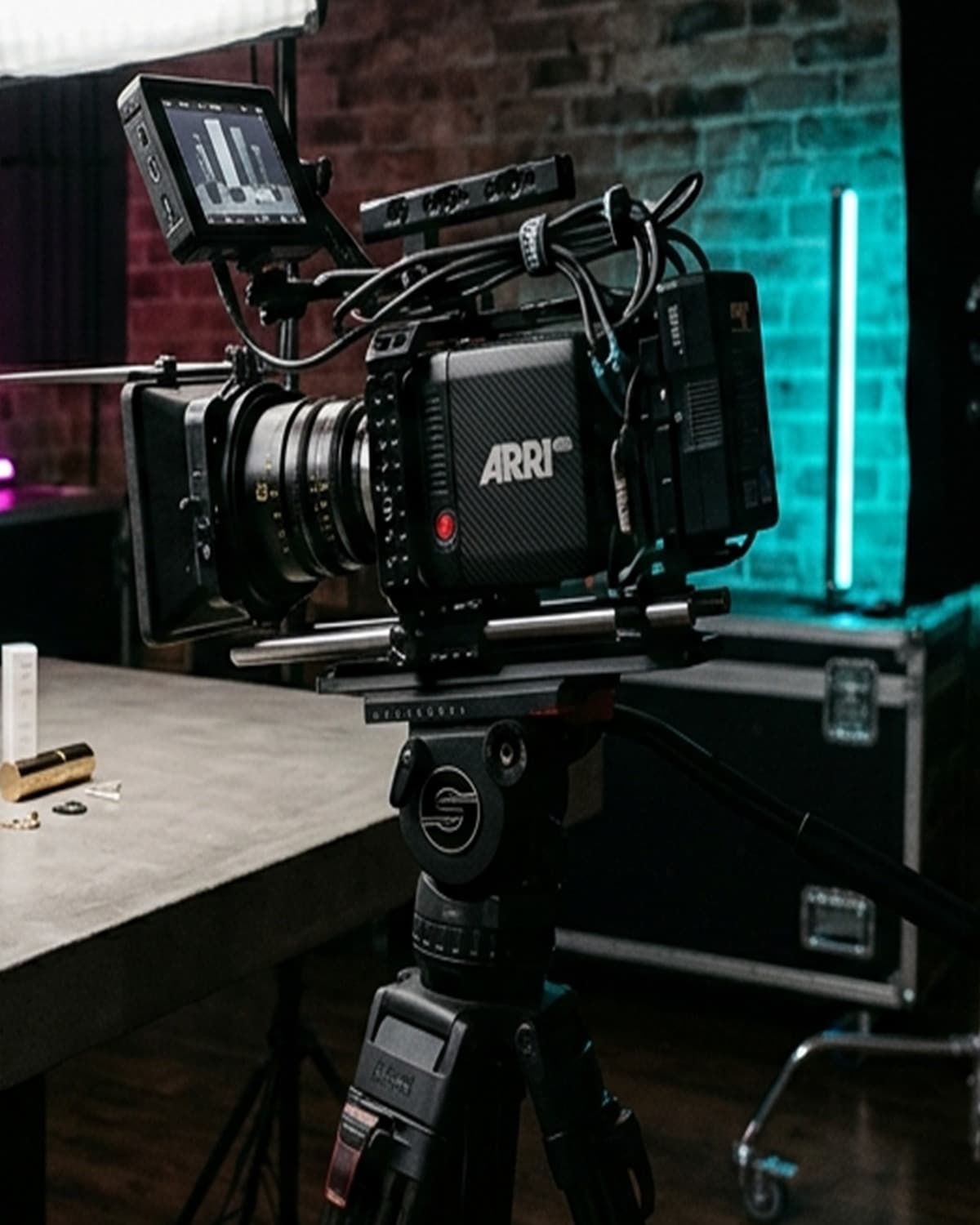
We treated Live as a produced format rather than a webcam. Fixed slots four times a week, a two-camera setup, a run-of-show with timed product segments, and a host briefed to hit the same three proof points every session.
Crucially, we stopped treating Live as a standalone. Each session was seeded with paid Live campaigns thirty minutes before going on air and supported by short-form clips cut from the previous week's best segments — so every session had an audience before it started.
Subscription was the only offer with a Live-exclusive incentive. Single bags stayed available, but everything about the format pushed toward the recurring product.
The result
The result
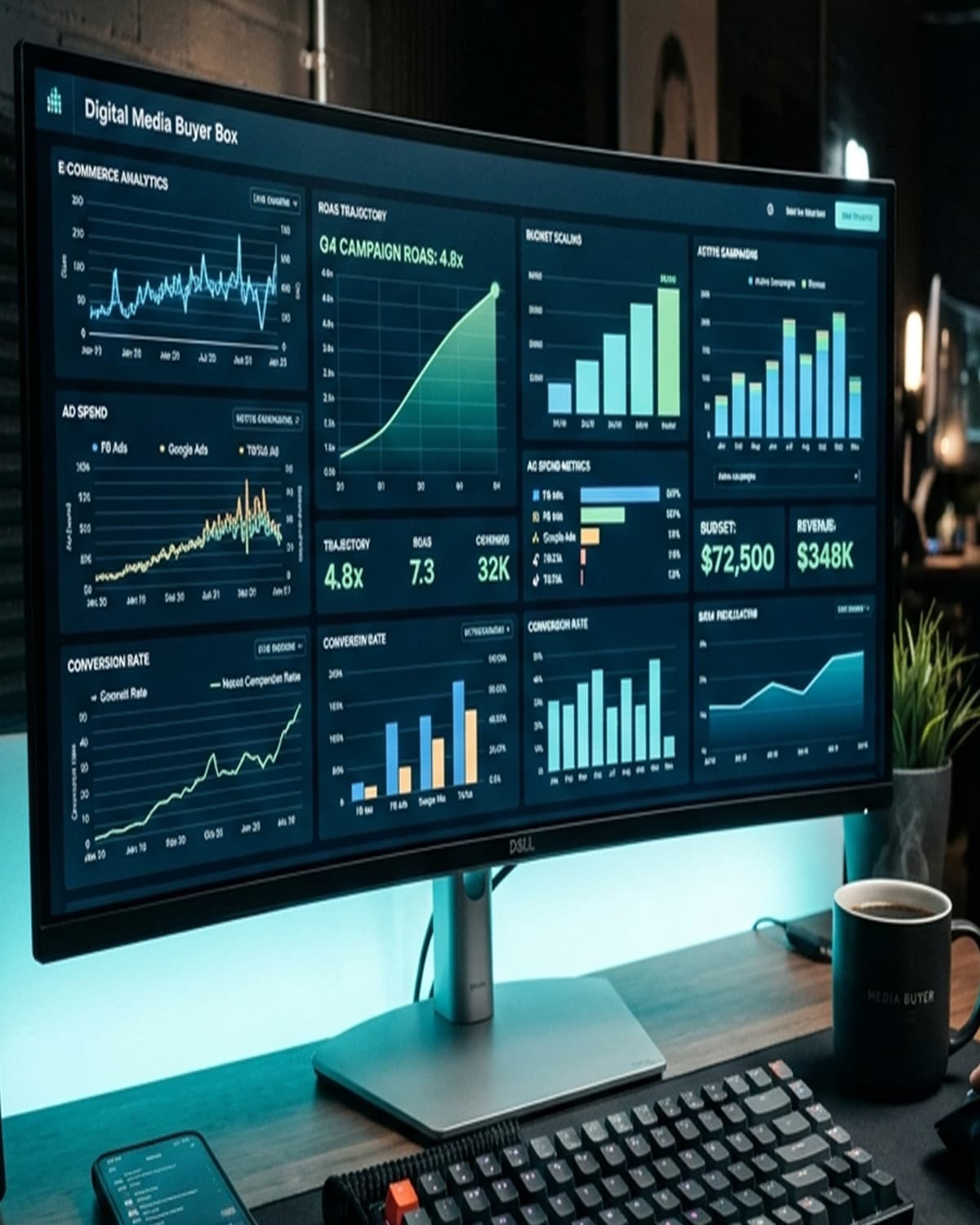
£46,000 in GMV attributable to Live sessions over four months, at an 18% conversion rate against viewers who stayed longer than sixty seconds.
More usefully, subscription became the majority of new-customer revenue for the first time. Live was the only surface with enough room to sell it.
The clips cut from Live sessions now supply roughly a third of the brand's short-form calendar, which removed a standing production cost.
“We had already decided Live did not work for us. It turned out we had been doing it without a run-of-show, without promotion and without a reason for anyone to stay.”
Figures and quotation are illustrative placeholders pending client sign-off.
More work
Other accounts, other problems.
Your brief
Got a food & beverage brand?
We have run this playbook in food & beverage and know where it breaks. Send us your catalogue and we will tell you which parts apply to you.